
Cycling in Dubai: Scenic Routes and Bike-Friendly Areas
- Blog
-
Jul 07
- Share post
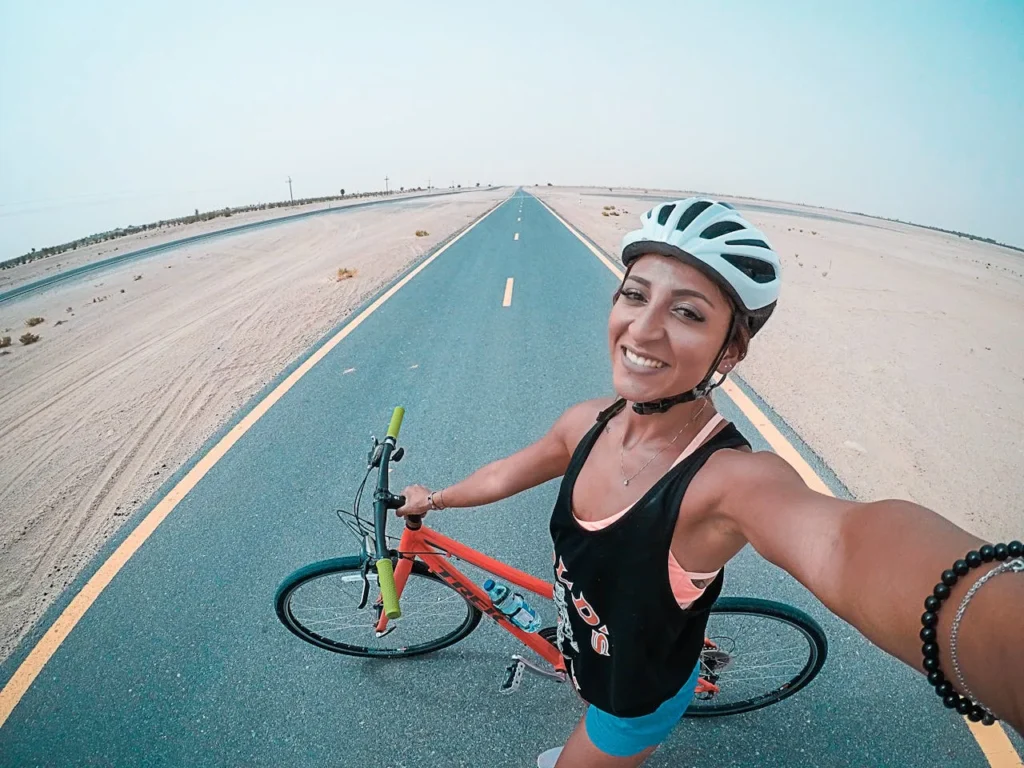
Dubai isn’t just a city of supercars and skyscrapers – it’s also becoming a haven for cyclists. With an ever-growing network of dedicated cycling tracks, bike-friendly roads and rental options, the city is encouraging both residents and visitors to explore in a different way. Whether you’re cruising along the coastline, pedalling through a desert reserve or racing on a professional-grade circuit, Dubai has the space and scenery to make every ride a memorable one.
Here’s your guide to the most scenic, accessible and rider-approved cycling spots in Dubai.
Al Qudra Cycling Track: The Desert Classic
If there’s one cycling route that puts Dubai on the map for serious riders, it’s Al Qudra. Stretching over 80km through desert landscapes, the track offers long-distance endurance training, peaceful sunrise rides and the occasional sighting of Arabian oryx. The route is fully paved, well-maintained, and marked with distance indicators, making it ideal for both amateurs and seasoned cyclists.
You can start at Seih Al Salam, where there’s a small shop, toilets and parking. The “Stick” and “Loop” routes are popular – one is a straight path, the other a circular desert trail. Bring water and sun protection if you’re heading out during the day, but sunrise and sunset rides are where the real magic happens.
Nad Al Sheba Cycle Park: Ride with a Skyline View
Once an old camel track, Nad Al Sheba has been transformed into a cycling hub with views of the Burj Khalifa in the distance. The track offers multiple loops ranging from 4km to 8km, suitable for both casual cyclists and kids.
There are lockers, showers and bike rental options on site, as well as well-lit tracks for safe night rides. It’s a great place to start if you’re new to cycling in Dubai, or just want a no-pressure place to ride laps in peace.
Dubai Canal and Jumeirah Cycling Track: Urban Coastal Riding
For those who prefer city views with their cardio, the Dubai Water Canal and Jumeirah Beach areas offer flat, scenic bike paths with easy access to cafés, rest stops and public beaches.
Start your ride near Al Safa Park, cruise past the water’s edge, and continue toward the Jumeirah Corniche – a stunning route with shaded paths, palm-lined views and the smell of the sea. It’s ideal for morning rides, especially in cooler months. Plus, you can easily rent a bike from Careem Bike stations dotted along the route.
Mushrif National Park: Nature Trails and Family Rides
If you’re cycling with kids or want a slower-paced, leafy route, Mushrif Park is a great choice. The 50-year-old park in Mirdif has a 13km cycle track shaded by native trees and landscaped gardens. It’s one of the few places where you’ll pass Ghaf trees, play areas and birdsong instead of high-rises.
The park has a modest entry fee, but facilities include picnic areas, toilets, water stations and a small bike rental kiosk. It’s relaxed, and family-friendly – a rare find in the desert.
Dubai Autodrome: Ride on a Racing Circuit
Looking to test your speed in a safe, closed environment? Head to Dubai Autodrome, where the professional racing circuit opens its track for cyclists on select weekday evenings.
You’ll ride on a Formula 1–style loop complete with turns, straightaways and professional-grade tarmac. It’s free to enter, but bring your own gear. Lights and helmets are mandatory. The Autodrome also hosts cycling events, races and community rides, so keep an eye on the schedule.
Expo City: Futuristic Cycling with Art Stops
Expo City – the legacy site of Expo 2020 has been converted into a sustainable urban hub with wide boulevards and dedicated cycle lanes. It’s perfect for exploring casually on a weekend, with art installations, pavilions and gardens spread out across the site.
Bike rentals are available on site, including e-bikes. It’s not about speed here – it’s more of a discovery ride, where you can stop for a cold drink, snap photos or visit a pavilion.
Hatta Mountain Biking Trails
For mountain biking enthusiasts, Dubai’s Hatta region delivers rugged terrain and cool air. The Hatta MTB Centre features multiple marked trails, rated from green (easy) to black (expert), weaving through the Hajar Mountains. You’ll find climbs, downhill runs and stunning viewpoints.
Bring your own mountain bike or rent one from the Hatta Wadi Hub. It’s a completely different cycling experience – rougher, wilder and far from the polished paths of the city.
Bike Rental Options
You don’t need to own a bike to ride in Dubai. Here are your main rental options:
- Careem Bike: Available in Downtown, Jumeirah, Dubai Marina, and near Metro stations. Use the app to unlock a bike and ride by the hour or day.
- BYKY: Found at beach parks and major tourist areas. Great for family rentals including tandem bikes.
- TREK Bicycle Store (Al Qudra): Offers high-quality bike rentals right at the trail.
- Revolution Cycles Dubai: Popular with serious riders. You can rent road bikes or mountain bikes for a full day or weekend.
Conclusion
Whether you’re a casual rider or a cycling enthusiast, Dubai offers an incredible variety of trails, terrains, and experiences. From desert escapes to city rides, there’s something for everyone. For more ideas on where to go next, check out our Guide UAE and plan your two-wheeled adventure today.
Frequently Asked Questions
Is cycling safe in Dubai?
Yes, cycling in Dubai has become increasingly safe, especially in designated areas like Al Qudra, Nad Al Sheba, and along the Jumeirah Beach path. These routes are purpose-built for bikes, separated from vehicle traffic and well-maintained. Helmets are highly recommended, and in some areas, required. At night, reflective gear and lights are essential. While city roads still present challenges due to traffic, there is a growing culture of road awareness, and more districts are integrating cycle-friendly infrastructure. New riders should stick to official paths and parks, especially during peak hours.
What’s the best time of year to cycle in Dubai?
The ideal time to cycle in Dubai is between October and April, when the temperatures are cooler and humidity is low. Early mornings and late afternoons are most comfortable. During summer, cycling is still possible, especially in shaded parks like Mushrif or under artificial lights at Nad Al Sheba – but hydration and sun protection are non-negotiable. Most serious cyclists avoid midday rides between May and September. Planning your ride around the weather forecast and bringing plenty of water makes all the difference.
Are there any guided cycling tours in Dubai?
Yes. Several operators offer guided cycling tours, ranging from city heritage routes to desert sunrise rides. For instance, some companies organize evening group rides along the Dubai Canal or cultural routes through Al Fahidi and Deira. Al Qudra also sees frequent organized rides led by local cycling clubs. These tours typically provide bikes, helmets and a guide who explains the landmarks and stops along the way. It’s a great way for visitors to see more of the city with minimal planning. Booking in advance is recommended, especially on weekends.
Can kids and beginners cycle safely in Dubai?
Absolutely. Parks like Mushrif, Al Barsha Pond Park and Zabeel Park are great for beginners and children. They offer smooth, flat tracks with shaded areas and low foot traffic. Rental options include smaller bikes and training wheels, and some areas even have balance-bike courses for toddlers. Safety gear is often included or available for rent. For complete beginners or nervous riders, these parks are much better than tackling city roads or fast-paced desert trails. Families can also take advantage of open-air events that sometimes close streets to cars for public cycling.
Do I need a permit or registration to cycle in Dubai?
In most cases, no permit is required for casual cycling in public parks, tracks or bike lanes. However, competitive cycling events and races typically require registration through the UAE Cycling Federation or specific event organizers. For night riding in places like the Autodrome, reflective gear and helmet rules are enforced, and online registration may be required. E-bikes have their own regulations, especially in high-traffic zones, so if you’re renting one, check the operator’s guidance. For everyday riding, just bring your ID, wear proper safety gear, and stick to designated cycling paths.