
Essential Driving Tips for Tourists Visiting Abu Dhabi
- Blog
-
Oct 08
- Share post
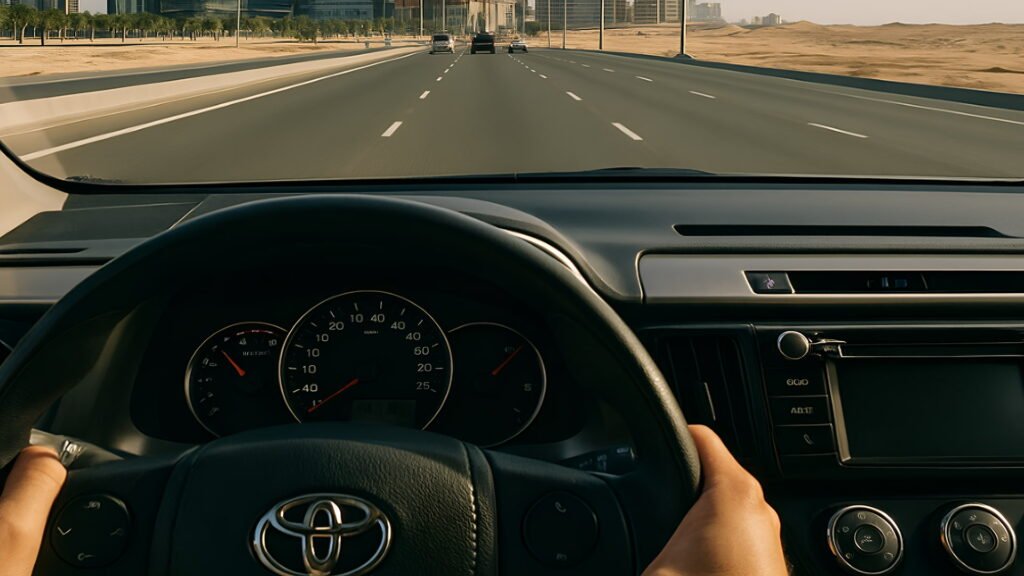
Have you ever imagined the thrill of driving through wide modern highways with the Arabian desert on one side and sparkling skyscrapers on the other? If you are visiting Abu Dhabi, renting a car can give you the freedom to explore the city at your own pace. But before you start your journey behind the wheel, it is important to understand the rules, culture, and unique aspects of driving in the capital of the United Arab Emirates. This guide offers simple and practical driving tips that will help you enjoy a safe and memorable trip.
Understanding Road Rules in Abu Dhabi
Road rules in Abu Dhabi are strict and closely monitored. The government places great importance on safety, which is why you will see cameras across most roads. Tourists must always carry their international driving permit along with their passport and rental documents. Driving is on the right side of the road, and seat belts are mandatory for all passengers. Speed limits are clearly marked and vary depending on the area. While highways may allow higher speeds, urban roads usually have lower limits. Following these rules not only keeps you safe but also saves you from heavy fines.
Renting a Car as a Tourist
Many tourists choose to rent cars because it is the most flexible way to explore Abu Dhabi. International rental companies are widely available at the airport and across the city. When renting, ensure that your driving license is valid for use in the UAE. Most companies will also require a credit card for deposits. Insurance is included, but always read the terms carefully to understand what is covered. Compact cars are great for city driving, while SUVs are better if you plan to visit desert regions or areas outside the city.
Respecting the Culture While Driving
Abu Dhabi is a modern city, but traditions and cultural values are deeply respected. Road rage or disrespectful gestures are not tolerated and can lead to legal consequences. Honking is used only in urgent cases, unlike in some countries where it is a casual habit. Always remain calm and polite, even in busy traffic. Friday is a holy day in the UAE, so you may notice quieter roads in the morning and heavier traffic in the evening as people head to family gatherings or leisure activities.
Parking Tips for Tourists
Parking is well organized in Abu Dhabi, but it is not always free. Paid parking zones are marked with signs, and you can pay at machines or through mobile applications. Do not park in spaces reserved for government vehicles, taxis, or people with disabilities unless you have permission. Parking violations can result in fines, and in some cases, vehicles may be towed. Shopping malls and tourist attractions usually provide safe parking, often free of charge for the first few hours.
Safety and Driving Etiquette
Safety on the road is highly prioritized in Abu Dhabi. Speeding is one of the most common causes of accidents, and the government uses radar cameras to enforce speed limits strictly. Tailgating, overtaking in unsafe spots, and using mobile phones while driving are also serious offenses. The best advice for tourists is to drive defensively and leave enough space between vehicles. Use indicators when changing lanes and avoid sudden braking. Police patrols are visible, and traffic laws are taken seriously, so respectful driving ensures peace of mind during your trip.
Navigation and Road Signs
Road signs in Abu Dhabi are written in both Arabic and English, which makes it easier for tourists to understand. GPS apps like Google Maps or Waze work well across the city. However, remember that internet access is essential, so buying a local SIM card can be very useful. Many areas are also covered by new and wide highways, which may look similar, so pay close attention to directions to avoid missing exits.
Driving in the Desert and Outside the City
If you plan to explore beyond Abu Dhabi city, driving can become a unique experience. Desert roads are long and less crowded, but you must always keep your fuel tank full and carry enough water. In remote areas, service stations may be far apart. Driving off-road in the desert requires special vehicles like four-wheel drives, and it is strongly advised to go with experienced guides or tour operators. Sand can trap vehicles, and weather conditions can change quickly, so safety must always come first.
Dealing with Emergencies
In case of an accident or breakdown, stay calm and move the car to a safe spot if possible. The emergency number for police, ambulance, and fire services is 999. For minor accidents, call the police before moving the vehicles, as they will provide a report required for insurance claims. Rental companies often provide roadside assistance, so keep their contact number handy at all times.
Conclusion
Driving in Abu Dhabi is a wonderful way to experience the city, from its grand cultural landmarks to its modern attractions. By respecting the rules, understanding local culture, and practicing safe driving, tourists can make their journey smooth and enjoyable. And for those who want more than just directions, Guide UAE offers trusted recommendations, insider tips, and cultural insights, ensuring every trip becomes both authentic and unforgettable.
Frequently Asked Questions
Can I drive in Abu Dhabi with just my home country license?
Most tourists will need an international driving permit in addition to their home license. Some countries have agreements with the UAE that allow direct use of national licenses, but it is always safer to carry the international version to avoid issues.
Is public transport a better option than renting a car in Abu Dhabi?
Public transport is well organized but limited compared to large cities. Buses are available, but routes may not cover all tourist attractions. Renting a car offers freedom to explore at your own pace and saves time, especially for families.
Are fuel prices high in Abu Dhabi?
Fuel prices in Abu Dhabi are much lower compared to those in many countries. This makes driving more affordable for tourists. Gas stations are common within the city, but if you travel to remote areas, always fill up your tank before starting your journey.
What is the legal blood alcohol limit for drivers in Abu Dhabi?
The UAE has a zero-tolerance policy for drinking and driving. Even the smallest trace of alcohol can result in heavy fines, imprisonment, or deportation. Tourists should avoid alcohol completely if they plan to drive during their trip.
Can tourists use ride-hailing apps like Uber or Careem instead of renting a car?
Yes, ride-hailing apps like Uber and Careem are widely available in Abu Dhabi. They are a convenient option for those who do not want to drive. However, costs can add up for long distances, so many tourists still prefer renting cars for flexibility.