
Must-Try Local Foods When You First Land in Abu Dhabi
- Blog
-
Oct 08
- Share post
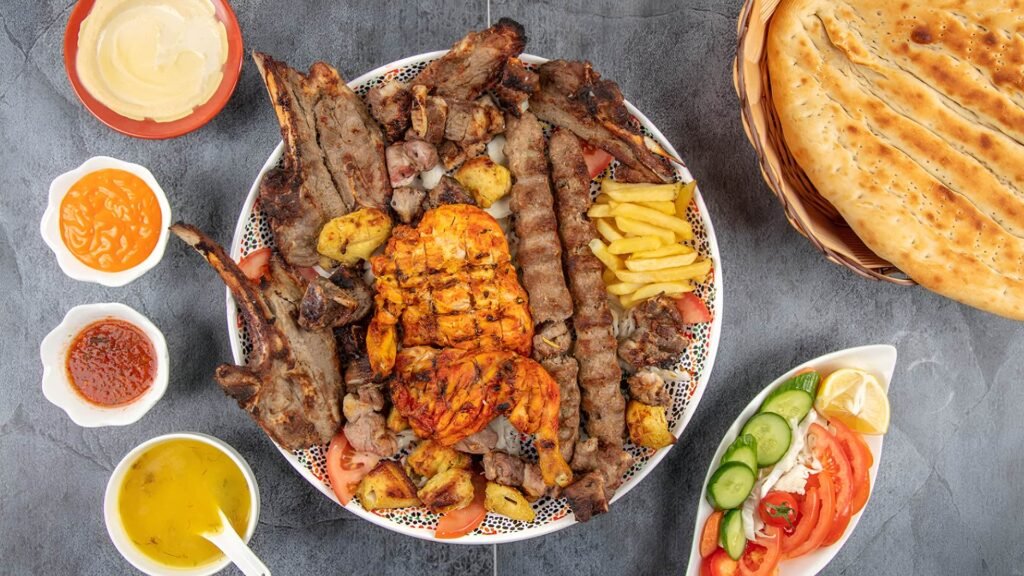
Have you just landed in Abu Dhabi and wondered what the local food experience is like? Every new traveler asks the same question, Where should I eat first to taste the true culture? Food is more than just a meal here; it is a gateway to the heritage, history, and hospitality of the UAE. Abu Dhabi, being a melting pot of cultures, has a vibrant mix of traditional Emirati cuisine along with flavors borrowed from the Middle East and Asia. If you want to enjoy your trip beyond sightseeing, then exploring the food is the best way to begin.
The Rich Food Culture of Abu Dhabi
Abu Dhabi’s food is deeply connected to the traditions of the desert, the sea, and Bedouin life. Ingredients like rice, dates, fish, and meat form the backbone of many traditional recipes. Meals are often shared, reflecting the culture of generosity and togetherness. Today, the city is also home to global restaurants, but nothing beats the comfort of enjoying a plate of authentic local food when you first arrive. Let us explore the dishes you should try to experience the true flavors of the city.
Majboos, The Fragrant Rice Dish
Majboos is one of the most popular Emirati meals. It is a rice-based dish cooked with meat such as chicken, lamb, or even fish, seasoned with a mix of Arabic spices like cinnamon, cardamom, and cloves. The rice absorbs all the flavors, making every bite rich and satisfying. This dish is often compared to biryani but carries its own unique Emirati identity. Eating Majboos on your first day in Abu Dhabi is like tasting a piece of the UAE’s heart.
Al Harees, The Traditional Comfort Food
Al Harees is a simple yet powerful dish that speaks of tradition and heritage. Made with just wheat and meat, it is slow-cooked for hours until it turns into a smooth porridge-like texture. It is usually prepared during Ramadan and Eid, but many local restaurants now serve it year-round. Its mild flavor and creamy consistency make it a comfort dish for newcomers who want a gentle introduction to Emirati food.
Luqaimat, Sweet Golden Dumplings
No introduction to Abu Dhabi’s food is complete without dessert. Luqaimat are small fried dumplings coated in date syrup or honey and sprinkled with sesame seeds. Crispy outside and soft inside, they are usually served during gatherings and festivals. If you want a quick local snack to satisfy your sweet cravings, Luqaimat is a must-try.
Shawarma, A Street Food Favorite
Although not originally Emirati, shawarma has become an inseparable part of Abu Dhabi’s food scene. Thinly sliced meat, often chicken or lamb, is rolled into warm flatbread with garlic sauce, pickles, and fries. Shawarma stands are everywhere in the city, and you will often see locals and tourists lining up for it. It is cheap, filling, and delicious, making it perfect for your first day in the city.
Machboos with Fish, A Coastal Delight
Being close to the Arabian Gulf, Abu Dhabi is rich in seafood. Machboos with fish is another take on the famous rice dish but cooked with locally caught fish such as hammour. The spices blend beautifully with the tender fish, giving a coastal twist to the traditional recipe. For those who love seafood, this is the perfect dish to begin with.
Balaleet, The Sweet and Savory Breakfast
If you land in Abu Dhabi in the morning, Balaleet should be on your list. It is a traditional breakfast dish made of vermicelli noodles cooked with sugar, cardamom, and saffron, then topped with a fried egg. The combination of sweet and savory might surprise you, but it reflects the creativity of Emirati cooking. It is often enjoyed with a cup of hot tea or coffee.
Madrooba, A Fish Lover’s Dish
Madrooba is another dish rooted in the sea culture of Abu Dhabi. It is made by cooking fish with spices and thickening it with flour, giving it a creamy and filling texture. This dish has been passed down for generations and is especially loved during family gatherings. If you are looking to taste the sea flavors of the city, Madrooba will not disappoint.
Stuffed Camel, A Royal Dish
Stuffed camel is one of the most unique and extravagant dishes from the UAE. Though it is not an everyday meal, it represents the grandeur of Emirati hospitality. Traditionally served at weddings and big celebrations, the camel is stuffed with rice, eggs, and smaller roasted animals like lamb or chicken. While you might not find it in every restaurant, some cultural experiences and festivals may give you a chance to taste this rare dish.
Khuzi, A National Favorite
Khuzi is often considered the national dish of the UAE. It features slow-cooked lamb served on rice, topped with nuts and raisins. This dish reflects the festive spirit and is often reserved for special occasions, but many local restaurants proudly serve it to guests. Tasting Khuzi gives you a direct connection to Emirati hospitality.
Fresh Dates and Arabic Coffee
Dates are the pride of Emirati culture, and you will often be welcomed with a handful of fresh dates and a small cup of Arabic coffee called gahwa. The coffee is lightly roasted and flavored with cardamom. It is not just a drink, it is a symbol of hospitality and respect. When you first land in Abu Dhabi, enjoying dates with coffee is the most authentic welcome you can experience.
Why Local Food Matters
Tasting local food is more than just filling your stomach. It helps you connect with the culture, understand traditions, and feel part of the community. Each dish tells a story, whether of desert survival, seafaring life, or festive celebrations. By trying these foods, you step into the lifestyle of the people of Abu Dhabi.
Conclusion
Abu Dhabi is not only about skyscrapers, beaches, and luxury. It is also about flavors that bring people together. From rice-based feasts to sweet golden treats, every dish gives you a piece of the city’s soul. When you first land in Abu Dhabi, make food your first adventure. It will turn your trip into something more meaningful and memorable. And if you want the best cultural guidance, Guide UAE is your trusted companion. GuideUAE offers trusted recommendations, insider tips, and cultural insights, ensuring every experience becomes both authentic and unforgettable.
Frequently Asked Questions
What is the best time of day to try local Emirati food in Abu Dhabi?
The best time is during lunch and dinner, but breakfast dishes like Balaleet are also unique. Many restaurants serve traditional foods all day, while local festivals and markets are great for variety.
Are there vegetarian options in Emirati cuisine for travelers who do not eat meat?
Yes, Emirati food includes lentil soups, salads, and vegetable stews. Even dishes like rice can be prepared without meat. Restaurants in Abu Dhabi often adapt recipes for vegetarians without losing authentic flavor.
Where can visitors find authentic local food instead of only international restaurants?
Travelers should visit local restaurants, traditional markets called souks, and food stalls. Heritage villages and cultural centers also serve authentic Emirati food prepared in traditional styles, offering both flavor and history.
Is Emirati food very spicy for first-time visitors?
Most Emirati dishes are rich in flavor but not extremely spicy. They rely on aromatic spices like saffron, cardamom, and cinnamon rather than hot chilies. This makes the food enjoyable even for those not used to spicy meals.
Can tourists take part in food tours to learn more about Emirati cuisine?
Yes, Abu Dhabi offers guided food tours where visitors can explore hidden gems, taste multiple dishes, and learn about the history behind the recipes. It is a great way to combine sightseeing with cultural discovery.