
Walking Tour of Ajman’s Old Souks and Traditional Markets
- Blog
-
Oct 13
- Share post
The Charm of Ajman’s Old Souks
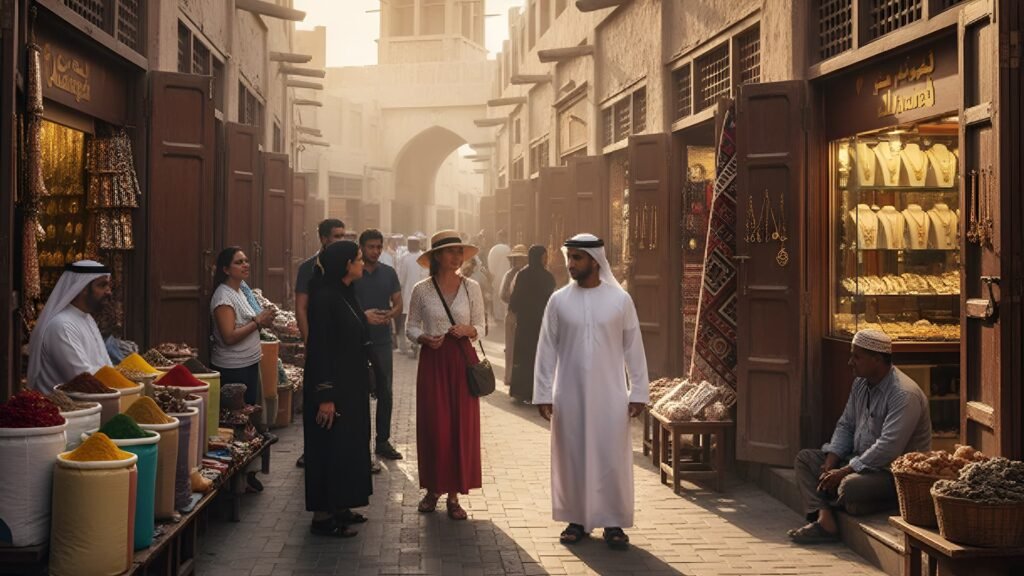
Ajman’s old souks hold a charm that modern malls cannot match. Narrow alleys filled with small shops, the smell of spices in the air, and the sound of sellers calling out their goods create an atmosphere that feels authentic. These souks were once the heart of trade in the region, where fishermen, pearl divers, and traders gathered to buy and sell. Today, they are still active and buzzing with life, giving visitors a taste of traditional commerce that has survived modernization.Souk Al Arsah, A Step Back in Time
One of the oldest markets in the UAE is Souk Al Arsah. Known for its unique structure with wooden doors and coral stone walls, this market feels like a museum that is still alive. Walking here, you will find shops selling incense, oud, traditional clothing, and handicrafts. The friendly shopkeepers often share stories about their products, some of which have been passed down for generations. Souk Al Arsah is also an excellent place to buy souvenirs that reflect the cultural heritage of Ajman.Exploring Gold and Spice Souks
Another highlight of Ajman’s walking tour is the gold souk. Here, the windows glitter with jewelry ranging from simple pieces to elaborate designs. Even if you are not planning to buy, it is worth visiting to admire the craftsmanship. Close by is the spice souk, where colorful piles of saffron, cardamom, cloves, and dried herbs create a beautiful display. The aromas here are unforgettable, and many visitors enjoy learning about how these spices are used in Emirati cooking.Traditional Markets and Everyday Life
While some souks focus on luxury items, others are about daily essentials. In Ajman’s traditional markets, you can see how locals shop for fruits, vegetables, fabrics, and household goods. These places show the rhythm of daily life and are less about tourists and more about serving the community. Walking through these markets gives you an honest view of how trade still plays a central role in Ajman’s society.The Architecture of the Markets
The old souks are not just about what they sell; they are about how they look. The wooden beams, shaded courtyards, and wind towers were designed to keep the markets cool before air conditioning existed. These details make the souks a living example of smart, sustainable design. Many visitors take photos not just of the shops but also of the buildings themselves, which stand as reminders of Ajman’s architectural heritage.Meeting Local Artisans and Traders
One of the best parts of a walking tour is the chance to meet the people behind the shops. Many of them are artisans who still practice traditional crafts. You may find men weaving baskets, women selling embroidered fabrics, or craftsmen shaping silver jewelry by hand. This interaction gives you a deeper appreciation of how culture is preserved through trade and skills passed down from one generation to another.Food in the Souks
No tour of Ajman’s markets is complete without tasting the food. From hot bread fresh out of the oven to local sweets like luqaimat, the souks are full of flavors. Cafes tucked between shops serve Arabic coffee and tea, making them perfect stops to rest and enjoy the atmosphere. Eating in the souk is not just about food; it is about experiencing the hospitality of Ajman.Tips for Your Walking Tour
When exploring Ajman’s old souks, it is best to wear comfortable shoes, as you will be walking on stone pathways. Early morning or late afternoon is the best time to visit, when the weather is cooler and the markets are most active. Do not be shy to bargain politely, as it is part of the tradition. Carrying cash is useful, as some smaller shops may not accept cards. Most importantly, take your time, because the joy of a walking tour is in noticing the details that you might otherwise miss.Why Ajman’s Souks Matter Today
In a world of shopping malls and online stores, traditional markets remain important. They preserve history and culture, offer a chance to connect with people, and support small traders. Visiting Ajman’s old souks is not just about buying something; it is about understanding the city’s roots. For travelers, it is an experience that leaves lasting memories, far richer than a quick trip to a modern mall.Conclusion
A walking tour of Ajman’s old souks and traditional markets is more than sightseeing; it is a journey through culture, history, and community. These markets are living museums that tell the story of the emirate and its people. For those who want to experience the real UAE, beyond skyscrapers and luxury resorts, the souks are the place to start. For the best guidance and cultural experiences across the UAE, you can always count on Guide UAE.Frequently Asked Questions
What is the best time of year to visit Ajman’s old souks?
The best time to visit is during the cooler months from November to March. The weather is pleasant, making it easier to walk around and explore. During this season, you will also find more cultural activities happening in the markets.
Are the souks in Ajman suitable for families with children?
Yes, the souks are family-friendly. Children often enjoy the colorful displays of spices, textiles, and jewelry. However, it is good to keep an eye on them as the pathways can get crowded, and small shops may have fragile items on display.
Do the souks in Ajman accept credit cards?
Many larger shops accept cards, especially in the gold souk, but smaller vendors usually prefer cash. Carrying some dirhams in small denominations is always recommended to make transactions easier and faster.
Can I take photographs in the markets?
Photography is generally allowed, especially of the shops, products, and architecture. However, it is polite to ask before taking close-up pictures of shopkeepers or local people. Being respectful ensures a more welcoming experience.
How long does a walking tour of Ajman’s souks usually take?
A relaxed walking tour can take between two and four hours, depending on how much time you spend shopping, eating, or chatting with local traders. If you plan to explore multiple souks, set aside half a day for a full experience.